
Introduction
Plastic and resin waste keeps piling up on manufacturing floors, in warehouses, and across packaging lines. The EPA reports that plastics made up 35.7 million tons of U.S. municipal solid waste in 2018 alone, or 12.2% of everything Americans threw away that year.
"Resin recycling" isn't one process. Durable thermoplastics like HDPE and LDPE can be melted down and reprocessed repeatedly. Cured thermoset resins, like epoxy or UV/3D printing resin, cannot.
This guide breaks down that difference and answers whether cured resin is actually toxic. It also covers what to do with unwanted resin at your facility—and how certified recyclers like PPP, LLC turn post-consumer plastic scrap into usable PCR resin pellets.
Key Takeaways
- HDPE and LDPE can melt and reform; thermosets like epoxy lock after curing and can't be remelted
- Cured resin is often inert and non-toxic—but it still doesn't belong in a standard recycling bin
- PCR-certified recyclers like PPP, LLC turn HDPE/LDPE scrap into pellets that meet manufacturing specs
- California rules (AB 478, SB 270, SB 54) require more recycled content in plastic packaging
- A certified resin recycler cuts landfill waste, trims material costs, and supports compliance goals
Understanding Resin Types: Thermoplastic vs. Thermoset
"Resin" gets used as a catch-all term, but it covers two fundamentally different material families. One melts. The other doesn't. Knowing which one you're dealing with determines whether recycling is even possible.
Thermoplastic Resins (HDPE, LDPE, LLDPE)
Thermoplastics soften when heated and harden again when cooled. That's the entire secret to their recyclability. Materials research shows LDPE and HDPE are thermoplastic chain polymers that can be recycled by remelting and reshaping without permanently altering their chemistry.
You'll find these resins everywhere:
- Milk jugs and detergent bottles (HDPE)
- Plastic bags and shrink wrap (LDPE)
- Irrigation and agricultural pipe (HDPE)
- Flexible packaging films (LDPE/LLDPE)
These are the resins PPP, LLC specializes in recycling. Because the polymer chains stay intact through melting, HDPE and LDPE scrap can be reprocessed into new resin pellets multiple times.
Thermoset Resins (Epoxy, Cast/UV Resin, 3D Printing Resin)
Thermosets play by different rules entirely. During curing, they undergo an irreversible chemical reaction that creates permanent cross-links between molecules. PlasticsEurope describes this as a one-way chemical transformation that locks the material's shape for good.
Once that reaction happens, there's no melting it back down. This is why:
- Cured epoxy countertops can't go through a plastics grinder
- Hardened jewelry casting resin won't reform into pellets
- Finished 3D prints stay solid waste, not recyclable feedstock
The takeaway: don't assume scrap is reprocessable just because the label says "resin." Thermoplastic packaging films and containers can return to the pellet stream; cured thermoset resin cannot.

Is Resin Recyclable? Understanding Curing, Toxicity, and Waste Streams
This is where a lot of confusion happens, and for good reason. The word "resin" gets applied to everything from a soda bottle to a jewelry mold, and the safety and recyclability profiles couldn't be more different.
Before curing, liquid resin needs careful handling. OSHA specifically flags uncured epoxy resin as a significant dermal exposure hazard during manual handling. UV and SLA 3D printing resins often contain 50-70% methacrylate monomers plus photoinitiators. Safety data sheets for these products typically list skin irritation, eye irritation, and aquatic toxicity warnings.
After full curing, the picture changes. NIOSH notes that cured epoxies and resins are usually safer to handle than their liquid precursors, since the reactive chemistry has already played out. That said, "safer" isn't the same as "recyclable."
Here's the part people get wrong most often:
Non-toxic after curing does not mean recyclable. Cured thermoset resin still won't melt, reform, or process through any standard plastic recycling stream.
Formlabs, a major resin 3D printing manufacturer, states plainly that cleaned printed parts and cured resin cannot be recycled. Once cross-linked, it's solid waste, period.
Uncured or partially cured resin falls into a different category:
- Treat resin-contaminated solvents and unhardened liquid resin as hazardous waste
- Never pour them down a drain
- Dispose of them according to the product's safety data sheet
Contrast all of this with HDPE and LDPE scrap. There's no curing reaction to worry about, no hazardous monomer handling, and no ambiguity about recyclability. That clean, straightforward path is what makes thermoplastic scrap so valuable to processors.
How Post-Consumer HDPE and LDPE Resin Recycling Works
Unlike thermoset resin, HDPE and LDPE scrap have a real second life. Both can be mechanically recycled and returned to the manufacturing supply chain as Post-Consumer Recycled (PCR) resin. Here's how that process works.
Step 1: Collection and Sorting
Post-consumer and post-industrial HDPE/LDPE scrap gets collected from manufacturers, processors, converters, and recycling partners. Sorting by resin type keeps the input stream clean, since even small amounts of the wrong plastic can compromise a batch.
Step 2: Grinding and Washing
Once sorted, the plastic is shredded or ground down into flake. That flake then goes through a washing stage to strip away labels, adhesives, and general contamination before further processing.
Step 3: Pelletizing
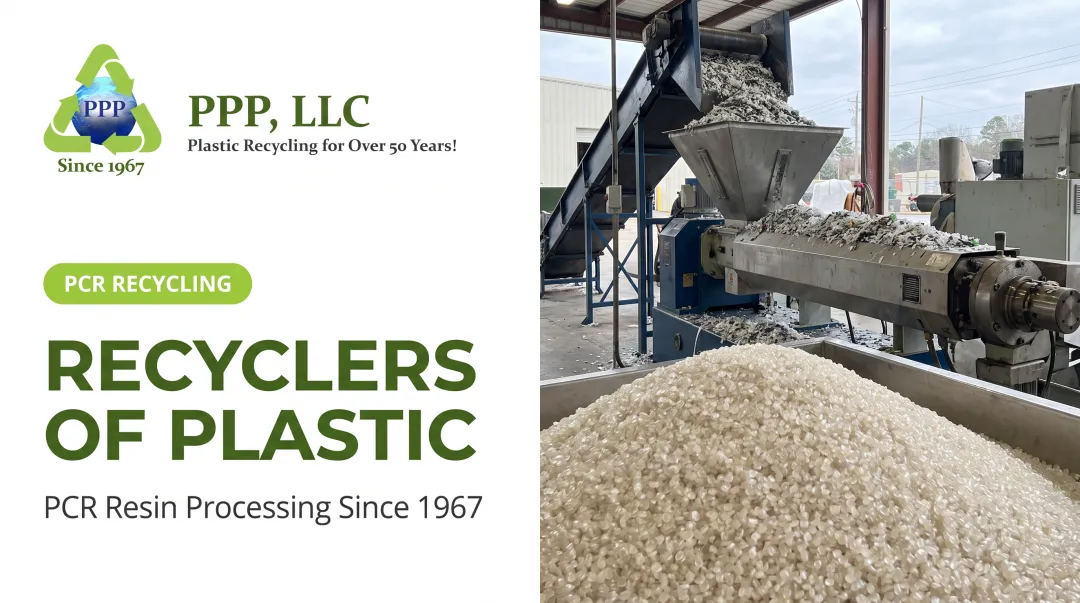
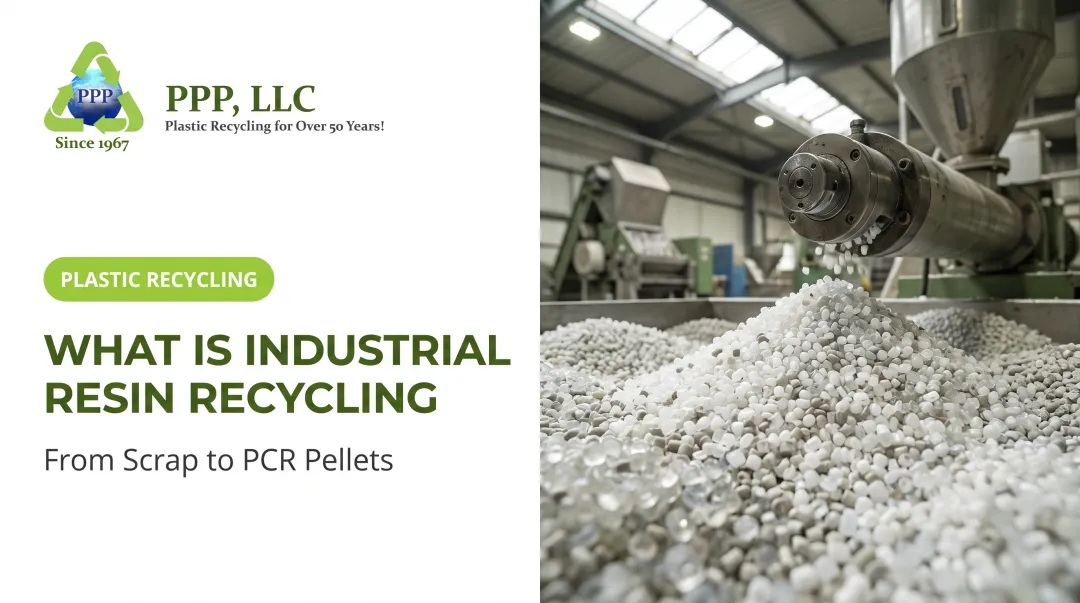
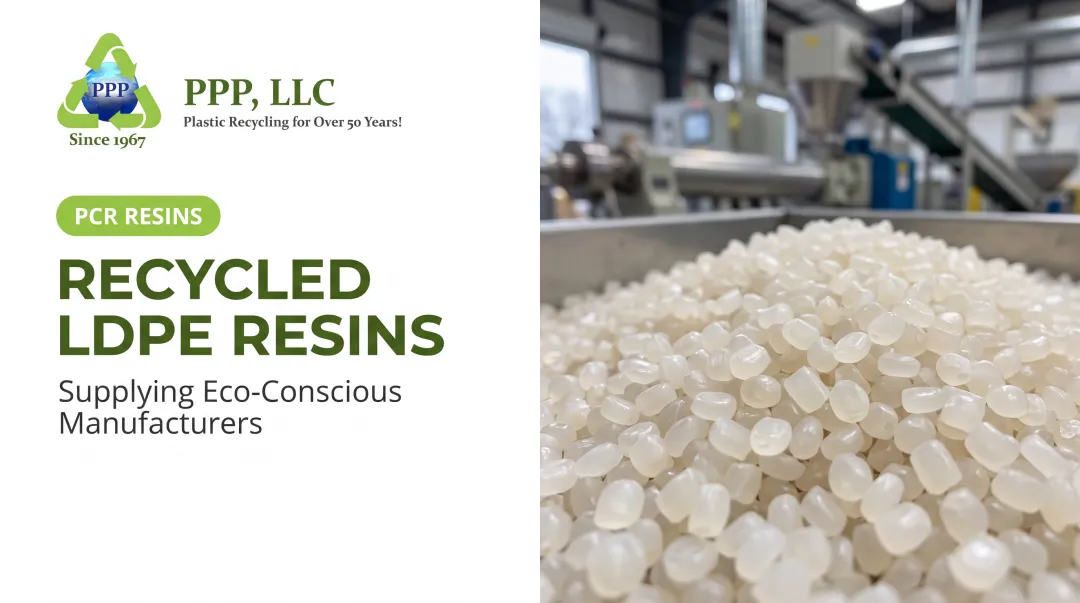
Clean flake gets melted and extruded into uniform PCR resin pellets. Reputable processors can customize these pellets for:
- Size and shape
- Color (including clear and mixed-color options)
- Surface finish
- Performance characteristics matching the buyer's specs
Step 4: Quality Testing and Certification
Finished pellets are tested against buyer specs and regulatory requirements so recycled content is documented and consistent batch to batch. At PPP, LLC, that means quarterly reviews and an annual PCR re-certification that can approve or deny continued certification, plus Association of Plastic Recyclers (APR) membership—useful for packaging, irrigation, and consumer-product manufacturers who need compliant PCR resin.

How Many Times Can HDPE/LDPE Be Recycled?
There's no single magic number. A controlled study running LDPE through 100 consecutive extrusion cycles found melting and crystallization temperatures held steady, though processability and creep durability began degrading after roughly the 40th cycle under severe lab conditions.
Real-world results depend on contamination, stabilizers, and end-use specs. Even so, HDPE and LDPE clearly tolerate multiple reprocessing cycles before quality becomes a concern.
What to Do With Unwanted Resin
The right disposal path depends entirely on what kind of resin you're holding.
Got HDPE/LDPE plastic scrap or packaging waste? Don't send it to landfill. Work with a certified full-service recycler. PPP, LLC purchases both post-industrial and post-consumer scrap, and offers toll processing for businesses that want their material converted into resin pellets without transferring ownership.
Got cured thermoset resin (hardened epoxy, cast resin, finished 3D prints)? Once it's fully hardened, treat it as regular solid waste. It cannot go through standard recycling channels, no matter how clean or solid it looks.
Got uncured liquid resin or resin-contaminated solvents? These need to go into a chemical or hazardous waste stream:
- Check the product's safety data sheet for specific disposal guidance.
- Fully cure the resin under UV light if that's a viable option for your situation.
- Never pour uncured resin or contaminated solvent down a drain.
- Follow local hazardous waste regulations for final disposal.
Why Recycled Resin Matters: Compliance, Cost, and Sustainability Benefits
California has been steadily tightening the rules around plastic packaging, and manufacturers who aren't paying attention are going to feel it.
Compliance Pressure Is Rising
Active rules that affect packaging and PCR content include:
- SB 54: EPR for single-use packaging, with recycling targets of 30% by 2028, 40% by 2030, and 65% by 2032
- RPPC Law: 25% post-consumer content in rigid plastic packaging containers, or source-reduction alternatives
- SB 270: Earlier 40% PCR rules for reusable plastic film bags; those bag provisions are repealed by SB 1053 as of January 2026
Failed proposals still matter as signals. AB 478 did not become law, but it showed where thermoform PCR requirements may head next.
Sustainability Gains That Affect Cost
Beyond compliance, the environmental case is measurable. APR's lifecycle analysis found that recycled HDPE used 88% less total energy and generated 71% less global-warming potential than virgin HDPE on a cradle-to-pellet basis.
That efficiency often shows up in the budget. Recycled resin can lower material costs for eco-conscious manufacturers while still meeting size, shape, color, and performance specs.
Buyer Demand and Brand Value
There is a consumer-facing payoff too. PwC's 2024 survey of over 20,000 consumers found that 80% were willing to pay more for sustainably produced goods, with an average acceptable premium around 9.7%.
For manufacturers, certified PCR resin helps with regulatory exposure and supports a sustainability claim buyers already look for.

Frequently Asked Questions
What should I do with unwanted resin?
Recyclable thermoplastic scrap (HDPE, LDPE) should go to a certified recycler like PPP, LLC. Cured thermoset resin goes out as solid waste, while uncured resin belongs in your hazardous waste stream.
Is resin still toxic after curing?
Most resins become chemically stable and largely non-toxic once fully cured, once the reactive monomers finish reacting. That stability doesn't make the material recyclable, though.
Can HDPE and LDPE plastics be recycled more than once?
Yes, both can be mechanically recycled multiple times. Material properties may gradually degrade with each processing cycle, so processors verify quality against the intended end use.
What does PCR certification mean?
PCR certification verifies that a facility's recycled resin meets quality and post-consumer content standards through regular audits. PPP, LLC maintains this status through quarterly reviews and annual re-certification.
Is recycled resin as strong as virgin plastic resin?
Quality-controlled PCR resin from certified processors can meet comparable performance specs for many applications. Extremely high-purity or specialized uses may still call for virgin resin.
How is recycled plastic resin different from virgin resin?
Virgin resin is manufactured directly from fossil fuel feedstocks. PCR resin comes from reprocessed post-consumer plastic scrap, like the HDPE and LDPE material PPP, LLC turns into resin pellets every day.