
That gap is about to get tighter. Tightening state recycled-content mandates, maturing advanced recycling technology, and rising corporate sustainability commitments are all converging at once. Seven U.S. states have now enacted packaging extended producer responsibility (EPR) laws, and manufacturers who haven't mapped out their compliance strategy are running short on time.
This article breaks down what's actually driving plastic conversion services in 2026 — the regulatory pressure, the technology, and the industry impacts — plus what to watch for beyond it.
Key Takeaways
- California's SB 54 and a growing list of state EPR laws are pushing manufacturers toward certified PCR resin sourcing
- Chemical recycling is scaling fast—and complements, rather than replaces, mechanical grinding and pelletizing
- AI-driven sorting and robotics are raising resin purity and cutting contamination at recycling facilities
- PCR certification and APR-aligned standards are now baseline requirements for resin buyers, not extras
- Converters, recyclers, and brand owners are locking in direct sourcing partnerships to secure long-term feedstock
Key Trends Shaping Plastic Conversion Services in 2026
Five forces are defining how converters, recyclers, and manufacturers operate this year. Here's what's actually changing on the ground.

Mandatory PCR Content and EPR Laws Are Reshaping Resin Sourcing
Packaging EPR laws are no longer a California-only story. As of 2025, seven states have enacted packaging EPR laws: California, Colorado, Maine, Minnesota, Oregon, Maryland, and Washington.
California's SB 54 remains the most consequential. It requires covered packaging to be recyclable or compostable by 2032, cuts single-use plastic packaging by 25% over the same period, and sets escalating recycling-rate targets: 30% by 2028, rising to 65% by 2032.
Recycled content can offset a portion of that reduction target. That is exactly why PCR sourcing has become a compliance lever, not just a marketing choice.
Two related measures tell a cautionary story worth knowing:
- AB 478, a proposed thermoform PCR bill with tiered targets up to 30% by 2030, never actually became law — it officially "died" in committee in 2022.
- SB 270's PCR requirements for reusable bags (20%, later 40%) were superseded by SB 1053 in 2024.
The lesson for manufacturers: bill numbers change, but the compliance bar keeps climbing regardless. That's why manufacturers are turning to processors who can document compliant sourcing no matter which statute currently applies. PPP, LLC's consistent PCR re-certification record is the kind of documented, repeatable proof brands now search for.
Chemical Recycling Is Scaling Up Alongside Mechanical Recycling
Mechanical grinding and pelletizing still handle the bulk of clean, single-resin streams like HDPE bottles and LDPE film. But mixed or contaminated plastic that mechanical processes can't touch is where chemical recycling (pyrolysis and depolymerization) is stepping in.
The investment is real. ExxonMobil's $200 million expansion of advanced recycling capacity at its Baytown and Beaumont, Texas facilities adds 350 million pounds of annual capacity, part of a stated goal to hit 1 billion pounds globally by 2027.
Industry analysis from McKinsey projects advanced recycling could supply 4% to 8% of total polymer demand by 2030, with several major players already committing to more than 10 million metric tons of capacity by that date. Chemical recycling complements mechanical methods, filling the gap for streams that grinding and washing cannot clean up.
AI and Automation Are Driving Smarter Sorting and Processing
Optical sorters, robotic arms, and IoT sensors are changing what happens before scrap ever reaches a grinder. Chicago's Lakeshore Recycling Systems, for example, paired a robotic sorting arm with an AI imaging system at its Exchange MRF in 2024 specifically to pull more usable HDPE and aluminum out of a mixed stream.
The payoff for converters downstream is straightforward:
- Cleaner bales mean less contamination reaching the grinder
- Higher recovery rates for target resins like natural HDPE
- More consistent feedstock, which translates directly into more predictable pellet quality
For processors like PPP that depend on clean HDPE and LDPE inputs, upstream sorting improvements aren't a side benefit. They're becoming a precondition for hitting the purity levels PCR certification demands.
Certification and Traceability Are Becoming a Market Requirement
Five years ago, PCR certification was a differentiator. Today it's closer to table stakes. Resin buyers verifying supply chain claims increasingly expect documented proof, not a supplier's word.
APR's PCR Certification program, built on ISO chain-of-custody standards, has already certified dozens of recyclers since launching in 2021 — covering a meaningful share of the PCR produced across the U.S. and Canada. That's a fast adoption curve for an industry that historically ran on informal assurances.
PPP's own approach reflects where the market is headed: annual PCR re-certification through quarterly reviews, an annual audit that can approve or deny renewal, and standing APR membership. That documentation trail is what brands increasingly ask for before signing a supply contract.
Circular Economy Partnerships Are Linking Converters, Recyclers, and Brand Owners
Manufacturers chasing sustainability pledges can't rely on spot-market purchasing anymore. Feedstock supply has to be locked in, and that is driving direct sourcing partnerships between brand owners, converters, and recyclers.
Charter Next Generation's 2023 collaboration with Revolution, which brought 40% recycled content into food-grade flexible packaging, is one example of this shift toward negotiated, ongoing offtake rather than one-off purchases.
PPP's model mirrors this same logic. The company purchases HDPE and LDPE scrap directly from manufacturers, processors, converters, and recycling partners, while also offering toll processing for customers who want to retain ownership of their material. Both routes give brand owners a direct line to certified PCR supply without having to build their own recycling infrastructure.
What's Driving These Plastic Conversion Trends
U.S. recycled-plastics revenue is projected to reach $8.76 billion by 2033, growing at roughly a 9.5% annual rate from 2026 onward. That growth reflects several forces converging at once.
- Technology gains: AI sorting, improved pelletizing lines, and better grinding equipment are raising throughput and resin quality
- Brand and consumer pressure: Corporate net-zero pledges are driving demand for verified PCR resin, not just vague recycled-content claims
- Regulatory pressure: SB 54 and expanding state EPR laws are pushing manufacturers to lock in documented, compliant supply chains ahead of enforcement
- Resin market volatility: Natural PCR HDPE spiked to roughly $1.20 per pound in 2023, then fell below $0.31 by mid-2024. Manufacturers that need pricing certainty increasingly choose contracted supply over chasing that spread
- Competitive differentiation: Certified full-service processors with PCR certification, APR membership, and a documented compliance record stand out as buyers demand verifiable supply

How These Trends Are Impacting the Plastic Conversion Industry
These pressures are creating measurable shifts across operations, contracts, and staffing, far beyond talking points in sustainability reports.
Operational Impact
Processors are investing in upgraded sorting, grinding, and pelletizing equipment to meet rising purity and volume demands. Just as important is the shift toward tighter quality control built specifically to survive PCR certification audits.
PPP's own cycle (quarterly reviews followed by an annual audit that determines whether re-certification is approved) shows the documentation rigor now expected across the industry, including mid-size facilities.
Business Impact
Manufacturers are restructuring supplier contracts to prioritize certified, compliant recycled-resin partners over the lowest spot-market bid. Long-term supply agreements are increasingly favored over one-off purchasing precisely because feedstock stability now matters as much as price.
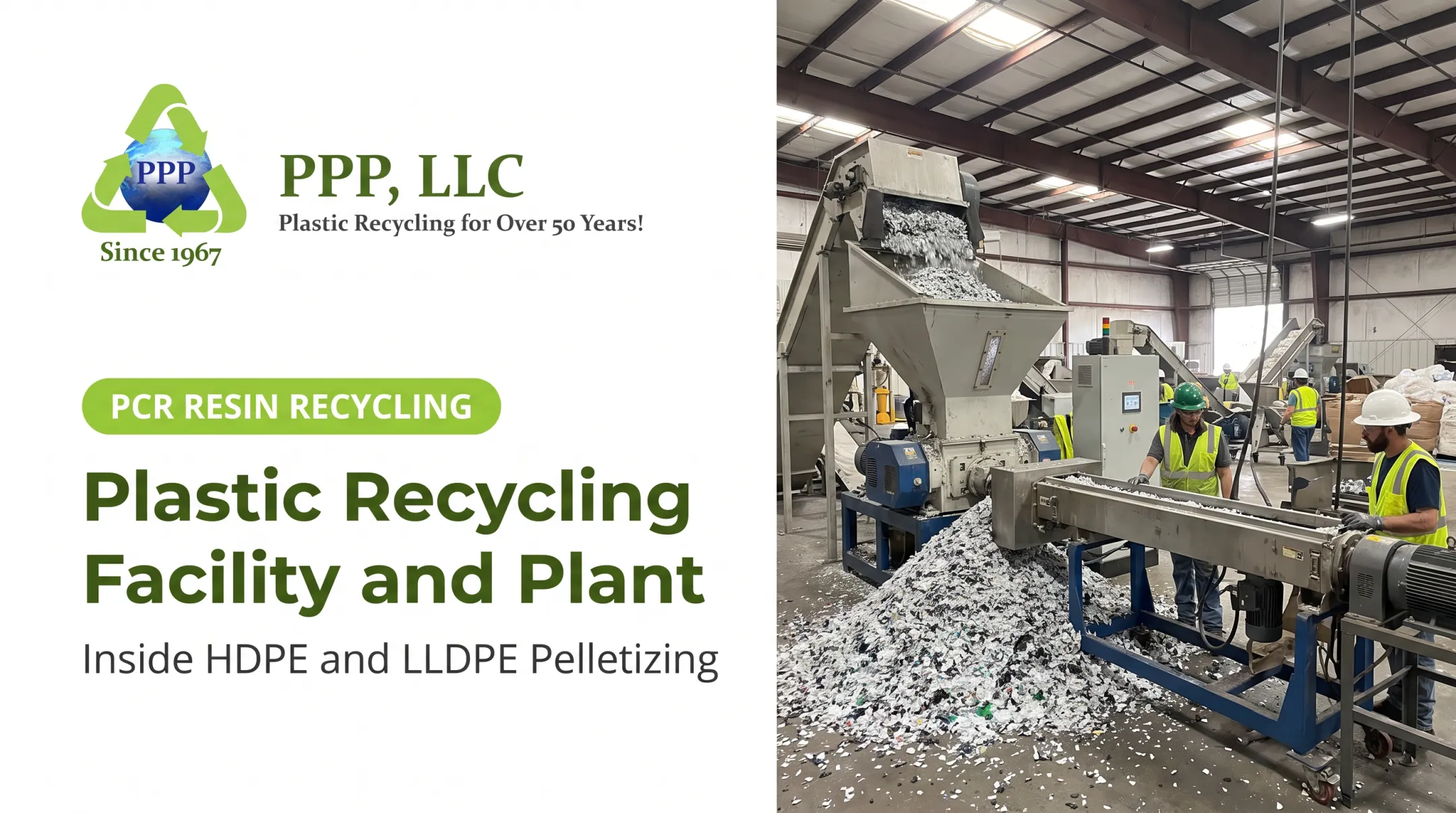
Toll processing is one way manufacturers lock in that stability without owning recycling infrastructure. The customer keeps ownership of the scrap; the processor handles shredding, washing, extrusion, and pelletizing.
Workforce Impact
Two skill gaps are opening up fast:
- Technicians who can run AI-driven sorting systems and automated processing lines, not only grinders
- Compliance and QA roles that manage audit trails, certification renewals, and the regulatory documentation PCR buyers now expect
Future Signals for Plastic Conversion Services Beyond 2026
The regulatory map keeps expanding, and manufacturers should watch these signals closely over the next one to three years.
State EPR and recycled-content rules are maturing fast:
- Oregon's Recycling Modernization Act lets its producer responsibility organization charge fees, raising compliance cost for covered producers
- Colorado requires covered producers to participate as of mid-2025, with dues starting in January 2026 and full plan implementation by summer 2026
- Washington's Recycling Reform Act begins annual service-provider registration in 2026
- New Jersey's rigid-container PCR minimums step up by 10 percentage points every three years, starting from a 10% floor in 2024
Two technologies to monitor, but not yet count on:
- Enzymatic recycling is still early-stage. Most federal work targets PET and polyurethane; commercial-scale HDPE or LDPE enzymatic recycling is not here yet.
- Blockchain traceability is gaining pilot traction. Neste and Circularise's digital "twin" model tracks material origin end to end and will spread as buyers demand harder PCR proof.
Recycled-content percentages are only going up from here. Manufacturers who lock in certified PCR resin supply now will have more room to adjust than those who wait for the next mandate.

Conclusion
Regulatory mandates, advanced recycling technology, automation, and certification standards are converging to reshape plastic conversion services heading into 2026.
Manufacturers who partner with certified, compliant recyclers now avoid the scramble that hits every time a new mandate takes effect. They also get something regulators can't require: a genuine sustainability edge with the customers who actually check.
Planning with certified conversion partners now beats scrambling after each new rule. That gap—between shops already set up for PCR and compliance and those still reacting—is what will separate industry leaders from the rest through 2026.
Frequently Asked Questions
What are plastic conversion services?
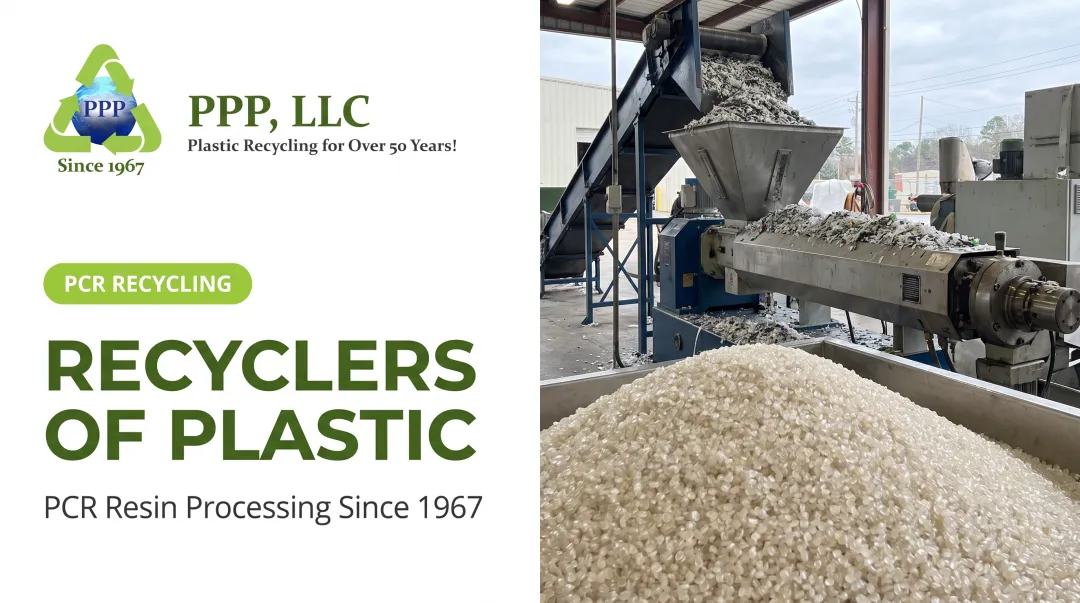
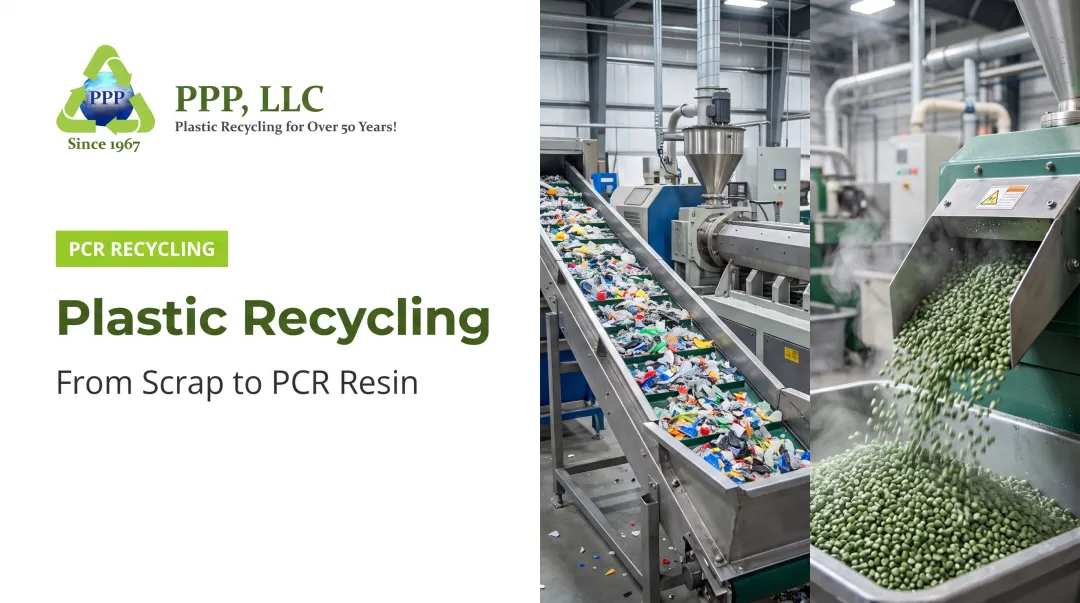
Plastic conversion services involve grinding, pelletizing, and recycling post-consumer or post-industrial plastic scrap into usable resin for manufacturing. They turn discarded material like HDPE bottles or LDPE film back into pellets manufacturers can use in new products.
What is the difference between mechanical and chemical recycling?
Mechanical recycling grinds and reprocesses intact, relatively clean plastics like HDPE and LDPE directly into new resin. Chemical recycling breaks plastics down at the molecular level, making it better suited for mixed or contaminated materials that mechanical methods can't handle.
How is California's SB 54 impacting plastic manufacturers?
SB 54 requires covered packaging to be recyclable or compostable and sets escalating recycling-rate and reduction targets through 2032. It's pushing manufacturers to secure documented, certified PCR resin sourcing to offset reduction requirements and prove compliance.
What does PCR certification mean for recycled resin quality?
PCR certification verifies that resin meets defined post-consumer recycled content standards through regular, third-party quality review. It confirms the material actually comes from post-consumer sources rather than relying on a supplier's unverified claim.
How can manufacturers ensure compliance with recycled content mandates in 2026?
Partnering with PCR-certified, APR-member processors and securing longer-term supply agreements — rather than relying on spot purchasing — helps manufacturers maintain consistent, auditable compliance as mandates tighten.
What should businesses look for when choosing a plastic conversion partner?
Look for verified certifications (PCR, APR), full-service capabilities like grinding, pelletizing, and toll processing under one roof, and a proven, documented track record of regulatory compliance rather than self-reported claims.