
Introduction
Global plastic waste hit 353 million metric tons in 2019, up from 156 million metric tons just two decades earlier. Only 9% of it ever gets recycled, according to the OECD's Global Plastics Outlook.
That gap is exactly why recycled resin matters. It's plastic waste that's been collected, cleaned, and reprocessed into pellets manufacturers can use instead of virgin, petroleum-based material.
Eco-conscious brands, packaging companies, and businesses facing state recycling mandates are adopting it fast. This article breaks down the types of recycled resin, how it's produced, the real benefits it delivers, where it's used, and what to look for in a supplier.
Key Takeaways
- Recycled resin replaces virgin, petroleum-based plastic with reprocessed post-consumer or post-industrial material
- PCR (post-consumer recycled) resin delivers stronger environmental and compliance advantages than PIR, repro, or wide-spec plastic
- Manufacturers use it to manage costs, meet California SB 54 rules, and win sustainability-minded buyers
- A PCR-certified, APR-member supplier locks in consistent quality and year-after-year regulatory compliance
What Is Recycled Resin?
Recycled resin is plastic waste that's been collected, sorted, cleaned, and repelletized into raw material manufacturers can feed back into their production lines. Virgin resin, by contrast, comes straight from petroleum feedstock with zero recycled content.
Not all recycled resin is created equal, though. The source of the plastic changes its environmental value and its compliance weight.
PCR vs. PIR vs. Repro vs. Wide-Spec Resin
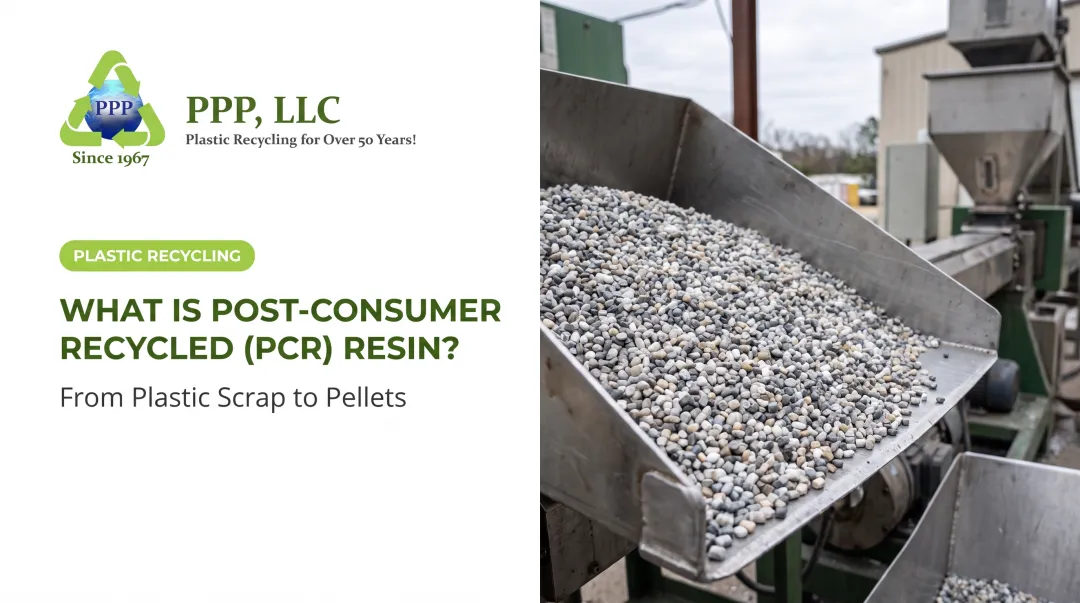
Post-Consumer Recycled (PCR) resin comes from products that already served their purpose with an end user — think water bottles, detergent jugs, and packaging pulled from curbside bins or drop-off programs. It's collected, cleaned, and reprocessed into pellets.
Post-Industrial Recycled (PIR) resin is different. It's manufacturing scrap, trim, and overruns that never reached a consumer. This material typically gets reprocessed back into the same product line it came from.
Repro and wide-spec resin complete the picture:
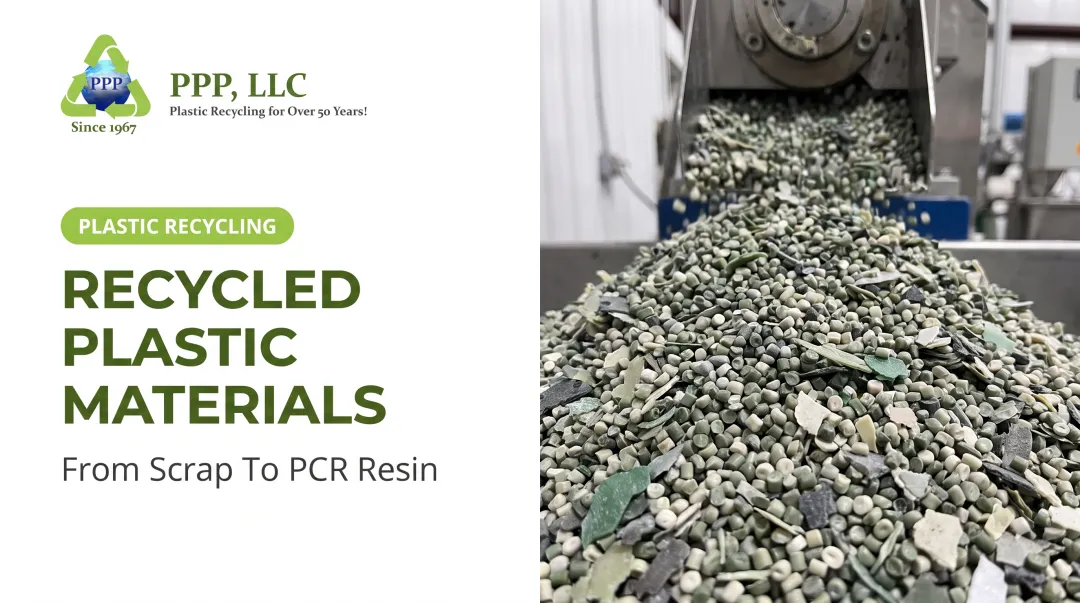
- Repro is ground or pelletized offcuts and off-quality scrap that can't go back into the original product — the material itself can originate from either post-industrial or post-consumer sources
- Wide-spec is off-spec virgin resin that never touched a recycling stream at all
Here's the distinction that matters for compliance: PCR is the only category that diverts plastic already discarded by consumers, so it carries the greatest landfill-diversion impact.

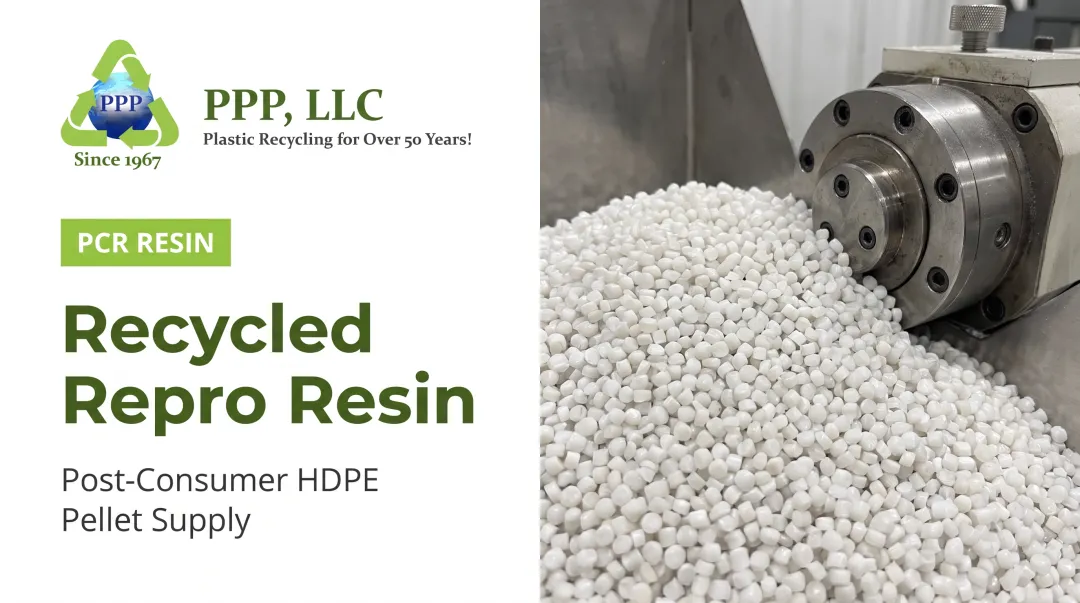
PPP, LLC works across that mix in practice. The company buys post-industrial and post-consumer HDPE and LDPE scrap, and its Clear & Mixed Color Repro is made from PCR-certified post-consumer material.
HDPE vs. LDPE Recycled Resin
HDPE and LDPE behave differently once reprocessed, which shapes what each one becomes.
| Resin Type | Properties | Common End Uses |
|---|---|---|
| Recycled HDPE | Rigid, durable, high tensile strength | Bottles, pipe, containers, crates |
| Recycled LDPE | Flexible, film-friendly, tough under stress | Bags, film, irrigation tubing |
| Recycled LLDPE | Higher puncture and impact resistance than standard LDPE | Stretch film, thin-wall containers, industrial bags |
Specialized recyclers grind and pelletize all three resin types for different manufacturing needs. PPP, LLC produces HDPE, LDPE, and LLDPE pellets that can be specified by size, shape, color, and finish for uses from irrigation tubing to retail packaging film.
How Recycled Resin Is Made
Turning scrap plastic into usable resin follows a consistent sequence, regardless of whether the source is a curbside bin or a factory floor.
- Collection and sourcing: Material comes from curbside recycling programs, industrial scrap streams, and drop-off collection points. PPP, LLC sources directly from manufacturers, processors, converters, and recycling partners across its network.
- Sorting and contaminant removal: Plastics get separated by resin type and color, and non-plastic materials (labels, caps, metal fragments) are stripped out.
- Washing and grinding: Cleaned plastic is reduced to flake form, removing residue and preparing it for reprocessing.
- Melting and pelletizing: Flake is extruded through heat and pressure, then cut into uniform resin pellets ready for shipment.
Mechanical vs. Chemical Recycling
Most PCR resin on the market today is produced through mechanical recycling, the process described above. It's the dominant method because it's straightforward and energy-efficient compared to manufacturing plastic from raw feedstock.
Chemical recycling is the newer alternative. It breaks plastic down to a molecular level before rebuilding it, so it can handle more contaminated or mixed streams. The tradeoff is that it's currently more energy-intensive and less widely deployed than mechanical processing.
Before any recycled resin ships to a manufacturer, it needs quality testing. Melt index, density, and contamination checks confirm the pellets will perform predictably once they hit a customer's production line.
Benefits of Using Recycled Resin
The case for recycled resin goes beyond good PR. It touches cost, compliance, and actual product performance.
Environmental and Cost Advantages
The environmental math is strong. An Association of Plastic Recyclers life cycle assessment found post-consumer recycled HDPE pellets use 88% less total energy and generate 71% lower global-warming potential than virgin HDPE pellets.

On cost, recycled resin doesn't track virgin plastic's petroleum-driven pricing swings the same way. Prices still move with bale supply and demand, but manufacturers get a second, often more predictable sourcing lane instead of full exposure to crude oil markets.
Regulatory and Brand Benefits
California has built a real regulatory case for recycled content:
- SB 54 requires plastic packaging producers to hit escalating recycling and source-reduction targets by 2032
- SB 270 once required 40% PCR in reusable plastic grocery bags (film rules repealed; paper-bag rules start in 2026)
- RPPC Law offers a 25% post-consumer-content compliance path for qualifying rigid containers
- AB 478 did not become law, but it signals where minimum-content rules are headed for thermoform packaging
Consumers are backing this shift too. McKinsey's 2023 packaging survey found about half of respondents would pay 1-3% more for sustainable packaging, with another quarter willing to pay 4-7% more.
Performance and Quality
Properly certified recycled resin holds up on performance too. From a consistent supplier, it matches virgin resin in size, shape, finish, and durability across most applications. That consistency is what a PCR-certified, APR-member facility like PPP, LLC works to deliver year after year.
Applications of Recycled Resin
Recycled resin ends up in more everyday products than most people realize:
- Trash and contractor bags
- Bottles and rigid containers
- Packaging film and pallet covers
- Construction sheeting
- Irrigation tubing and agricultural components
Food, pharmaceutical, and electronics packaging can all use recycled resin. Food and pharma applications typically need extra contact-material certifications beyond standard PCR credentials. General retail packaging remains one of the highest-volume uses.
As resin quality improves, manufacturers are also testing automotive components and broader construction materials. Those uses are still less established than bags, bottles, and film.
Choosing a Certified Recycled Resin Supplier
Not every recycled resin supplier delivers the same consistency. A few credentials separate the reliable ones from the rest.
What to check before you commit:
- PCR certification with annual re-certification, not a one-time badge
- APR membership that shows active participation in industry standards and regulatory tracking
- Demonstrated compliance with applicable state recycling regulations
A single full-service facility that handles grinding, pelletizing, and reprocessing under one roof removes the coordination headache of juggling multiple vendors. Quality stays consistent batch after batch.
PPP, LLC has operated as a full-service HDPE/LDPE recycling facility since 1967. The company holds PCR certification with quarterly and annual reviews, maintains APR membership, and aligns its operations with California's SB 54, SB 270, and RPPC Law requirements.

It serves eco-conscious manufacturers across California, Arizona, and the broader U.S., offering both direct resin sales and toll processing for customers who want to retain ownership of their own scrap material.
Frequently Asked Questions
What is the most eco-friendly resin?
PCR (post-consumer recycled) resin is the most eco-friendly option. It diverts plastic already discarded by consumers away from landfills and reduces dependence on virgin, petroleum-based materials.
Is resin basically plastic?
Yes. Resin is the pelletized raw material form of plastic used in manufacturing, whether virgin or recycled, before it's molded or extruded into a finished product.
What can you do with resins?
Recycled and virgin resins are made into bags, bottles, film, packaging, pipe, irrigation tubing, and other everyday plastic products.
What is the difference between PCR and virgin resin?
Virgin resin comes directly from petroleum with no recycled content. PCR resin comes from reprocessed consumer plastic waste, which lowers its overall environmental footprint.
Is recycled resin as durable as virgin plastic?
High-quality, properly certified recycled resin can closely match virgin resin performance in most applications. However, repeated mechanical recycling can gradually reduce material strength over multiple cycles.
What is PCR certification and why does it matter?
PCR certification verifies that a supplier's recycled content meets quality and sourcing standards through regular, independent review. It gives manufacturers confidence in both compliance and batch-to-batch consistency.