
"Regrind" comes up constantly in these conversations, but it's often used loosely, sometimes interchangeably with PCR resin, sometimes as shorthand for "recycled plastic" in general. That imprecision causes real problems when you're trying to spec materials or document compliance.
This guide breaks down what plastic regrind actually is, how it's produced, and where it differs from virgin resin and certified PCR material. We'll also cover why the recycling partner you choose, not just the regrind itself, determines whether you get real cost savings and compliance protection or a headache down the line.
Key Takeaways
- Plastic regrind is post-industrial or post-consumer scrap ground into granules for manufacturing reuse
- Manufacturers typically blend 20–25% regrind with virgin resin to protect part quality
- Regrind cuts material costs, reduces landfill waste, and supports recycled-content compliance
- Quality varies by source—buy from a certified, quality-controlled recycler
What Is Plastic Regrind?
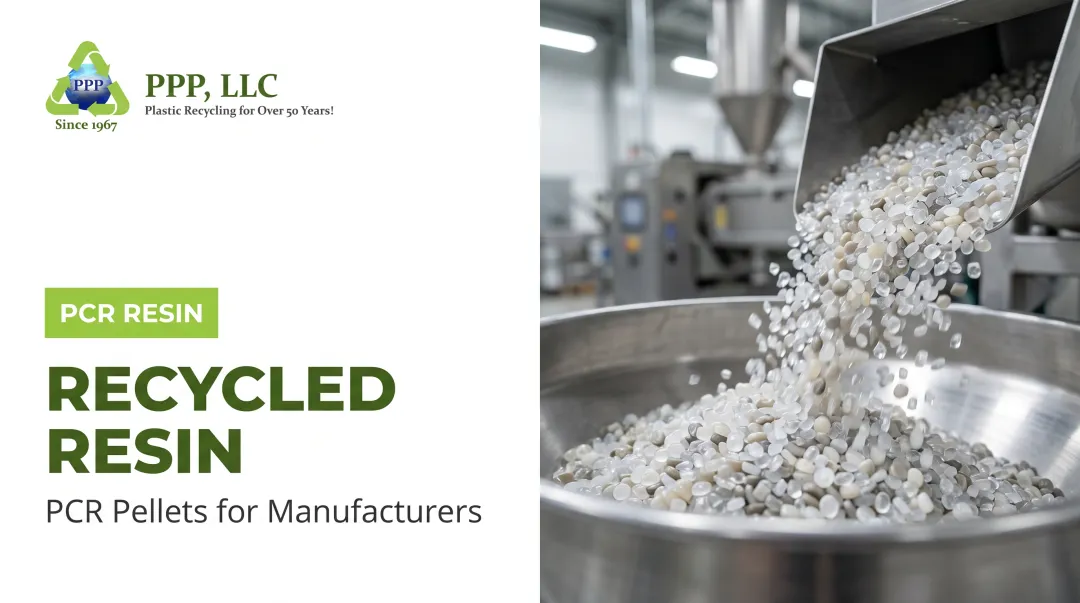
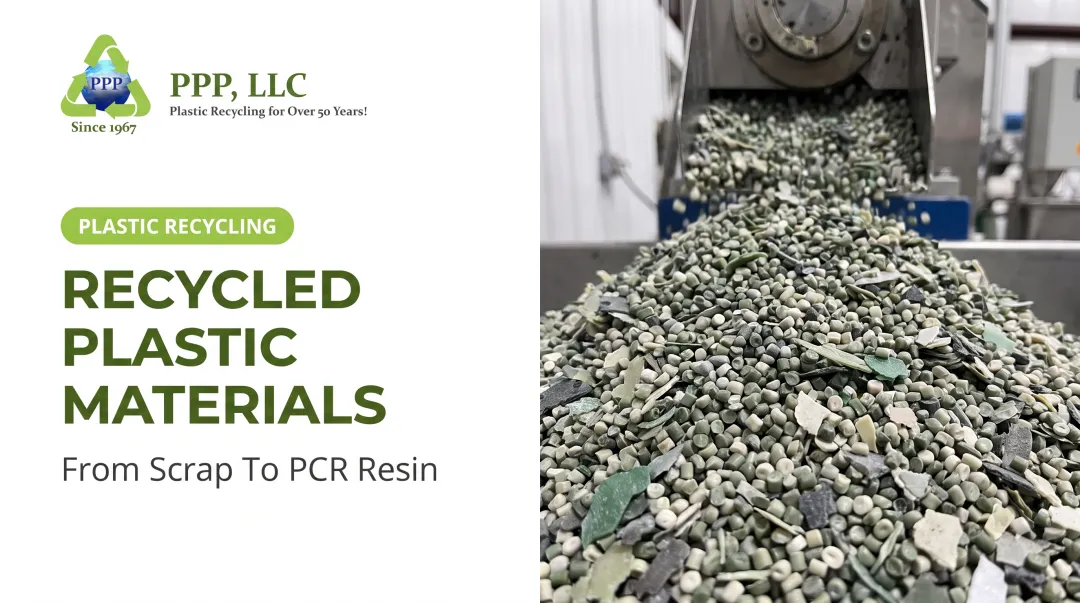
Plastic regrind is scrap plastic—rejected parts, runners, flashings, purge, or post-consumer items like bottles and containers—that has been mechanically ground into small particles or granules for reuse in manufacturing. Instead of landfilling defective parts or leftover trim, processors run it through grinding equipment and turn it back into usable feedstock.
The defining trait of regrind is simple: it has already been through at least one heat and molding cycle. That single fact separates it from virgin resin, which has never been processed, and it's the reason regrind behaves differently once it's back in a machine.
Post-Industrial Regrind (PIR) vs. Post-Consumer Regrind (PCR)
These two categories get lumped together constantly, but they come from very different places:
- PIR (post-industrial regrind): Recaptured factory scrap, defective parts, trim, and runners that never left the plant or reached a consumer.
- PCR (post-consumer regrind/resin): Material recovered from plastics consumers actually used—bottles and containers from curbside or drop-off programs—then processed and certified for reuse.

The sourcing gap matters. PIR tends to carry lower contamination risk because it never entered a waste stream. PCR requires more rigorous cleaning and testing since it has picked up dirt, labels, and mixed materials along the way.
PPP addresses this with a PCR certification process that includes quarterly reviews and a full annual re-certification, which can approve or deny continued certified status based on compliance and quality performance.
Regrind vs. Virgin Plastic
Virgin resin has never been melted or molded. Regrind has, and that heat history changes things. Molecular weight shifts, melt flow behaves differently, and appearance can vary from batch to batch.
This is exactly why regrind is rarely used on its own. Most processors blend it with virgin resin rather than running 100% regrind through a mold. According to UL Prospector's guidance on regrinding plastics, the general molding-industry target sits around 20-25% regrind or less blended with virgin material. It's a heuristic, not a hard rule; the right ratio depends on the resin, the process, and how many times that material has already been through a heat cycle.
How Plastic Regrind Is Made: The Recycling Process
Turning scrap into usable regrind isn't a single step. It's a controlled sequence, and skipping steps is where quality problems start.
- Collection. Sourcing starts with scrap such as rejected parts, runners, and purge from manufacturing, or post-consumer HDPE and LDPE items like bottles and film. PPP has focused on these two resin types since 1967, which keeps sourcing tight and lowers cross-resin contamination risk.
- Sorting and cleaning. Teams separate material by resin type and color before it reaches a grinder. Mixing HDPE with LDPE, or clear material with colored, undermines the finished regrind's consistency.
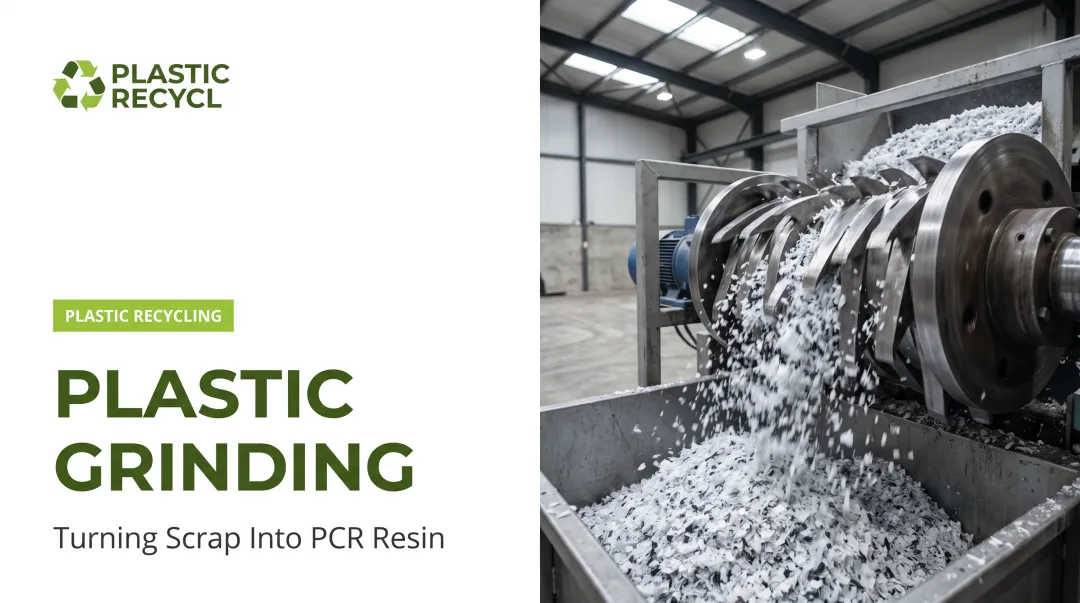
- Grinding. Scrap runs through grinding equipment that reduces it to particle sizes consistent with virgin pellets, which matters for accurate blending ratios downstream.
- Quality control. Inspectors check ground material for contamination, moisture content, and consistency before clearing it back into the supply chain. Skip this step and you're passing problems on to whoever molds the material next.
- Blending and processing adjustments. Processors mix regrind with virgin resin at controlled ratios. They also adjust temperature, pressure, and screw speed to match the blend's slightly different flow characteristics.

Each step protects the next. Poor sorting undermines grinding accuracy; skipped quality checks undermine blending performance.
Benefits of Using Plastic Regrind
Cost and Environmental Impact
Regrind is often cheaper than virgin resin, but that's not guaranteed. Recycled resin pricing moves with market conditions and can shift sharply within a single quarter, so "always cheaper" isn't an honest claim. What is consistent is the environmental case.
Franklin Associates' 2018 life-cycle study for the Association of Plastic Recyclers found that post-consumer recycled HDPE used 88% less total energy and produced 71% lower global-warming potential than virgin HDPE, measured under the study's cut-off allocation method.
That's a real footprint cut manufacturers can cite with data—not just marketing language. Those same gains matter more as recycled-content rules tighten.
Regulatory Compliance
California's recycled-content landscape has shifted over the past few years. AB 478's proposed thermoform mandate never became law, and SB 270's original bag rules were superseded by later legislation. The frameworks manufacturers need to track today include:
- SB 54 — requires producers of covered single-use packaging to hit 65% recycling and 25% source reduction targets by 2032
- SB 343 — governs when products can legally display recyclability claims or symbols
- RPPC Law — sets post-consumer content and source-reduction options for rigid plastic packaging containers
Which rules apply to your product line isn't always obvious. PPP helps manufacturers map the requirements that actually affect their packaging and resin choices.
Marketing Advantage and Customization
Beyond compliance, regrind gives brands something authentic to say to eco-conscious customers: actual sourced material, not just a sustainability pledge on a webpage. Certified recyclers like PPP also engineer regrind and PCR resin to specific size, shape, color, finish, and performance requirements, rather than shipping generic ground scrap and leaving converters to work around it.
Applications & Best Use Cases for Regrind
Regrind performs best in non-critical, non-load-bearing parts where minor property variation won't compromise function:
- Irrigation components and agricultural piping
- Retail packaging and bags
- Industrial containers and general packaging
- Non-structural consumer goods components
Most of this demand runs as controlled blends rather than 100% regrind, so processors can balance cost against performance.
Food-contact, pharmaceutical, and high-precision uses face tighter limits. The FDA evaluates recycled plastic for food-contact use on a case-by-case basis, reviewing the recycling process, feedstock controls, and intended use rather than approving "recycled plastic" as a blanket category.
Those applications generally need higher-grade certified PCR resin or virgin-heavy blends, not standard regrind.
Quality Considerations and Choosing the Right Recycling Partner
Regrind quality is only as good as the process behind it. Poorly sourced material creates three recurring problems:
- Contamination from mixed resins, labels, or foreign materials
- Inconsistent particle size, which throws off blending ratios
- Degraded mechanical properties from excessive or uncontrolled heat cycling
When you're vetting a recycling partner, look for:
- PCR certification with regular re-certification review, not a one-time badge
- APR membership, which signals ongoing alignment with industry standards
- Resin-specific expertise, particularly in HDPE and LDPE if that's what you're sourcing
PPP, LLC has specialized in HDPE and LDPE recycling since 1967. The company holds PCR certification maintained through quarterly and annual review and is an APR member serving manufacturers across California, Arizona, and the broader U.S.

Resin-specific focus plus ongoing certification—not a one-time badge—is what you want in a regrind supplier, versus a scrap dealer that only runs a grinder.
Frequently Asked Questions
What does regrind mean?
Regrind is ground-up plastic scrap, either factory rejects or post-consumer material, that's been reprocessed into granules for reuse in manufacturing. It's already been through at least one heat cycle before being reground.
Can plastic regrind be melted and remolded?
Yes, most thermoplastic regrind can be remelted and remolded successfully. It's typically blended with virgin resin, though, since prior heat exposure changes its flow and mechanical properties.
What's the difference between regrind and PCR (recycled) resin?
Regrind often refers to post-industrial scrap reprocessed in-house or by a converter. Certified PCR resin comes specifically from consumer-used plastics and goes through stricter sourcing, cleaning, and certification standards.
Is plastic regrind the same quality as virgin plastic?
Not quite. Prior heat exposure alters molecular weight and flow characteristics, so regrind's properties differ slightly from unused resin. That's why it's usually blended rather than used alone.
How much regrind can be blended with virgin plastic?
The common industry range is roughly 20-25% regrind blended with virgin resin, though this varies depending on the part's requirements and the resin's processing history.
Is regrind plastic safe for food packaging?
It depends entirely on certification and processing standards. The FDA reviews recycled plastic for food-contact use case by case, so not all regrind or PCR material automatically meets compliance requirements.